
Men’s & Women’s Residential Program
The Steelbridge Men’s and Women’s Program is a year-long, faith-based residential recovery program designed to support individuals as they pursue lasting transformation and wholeness in every area of life.
Men’s & Women’s Residential Program
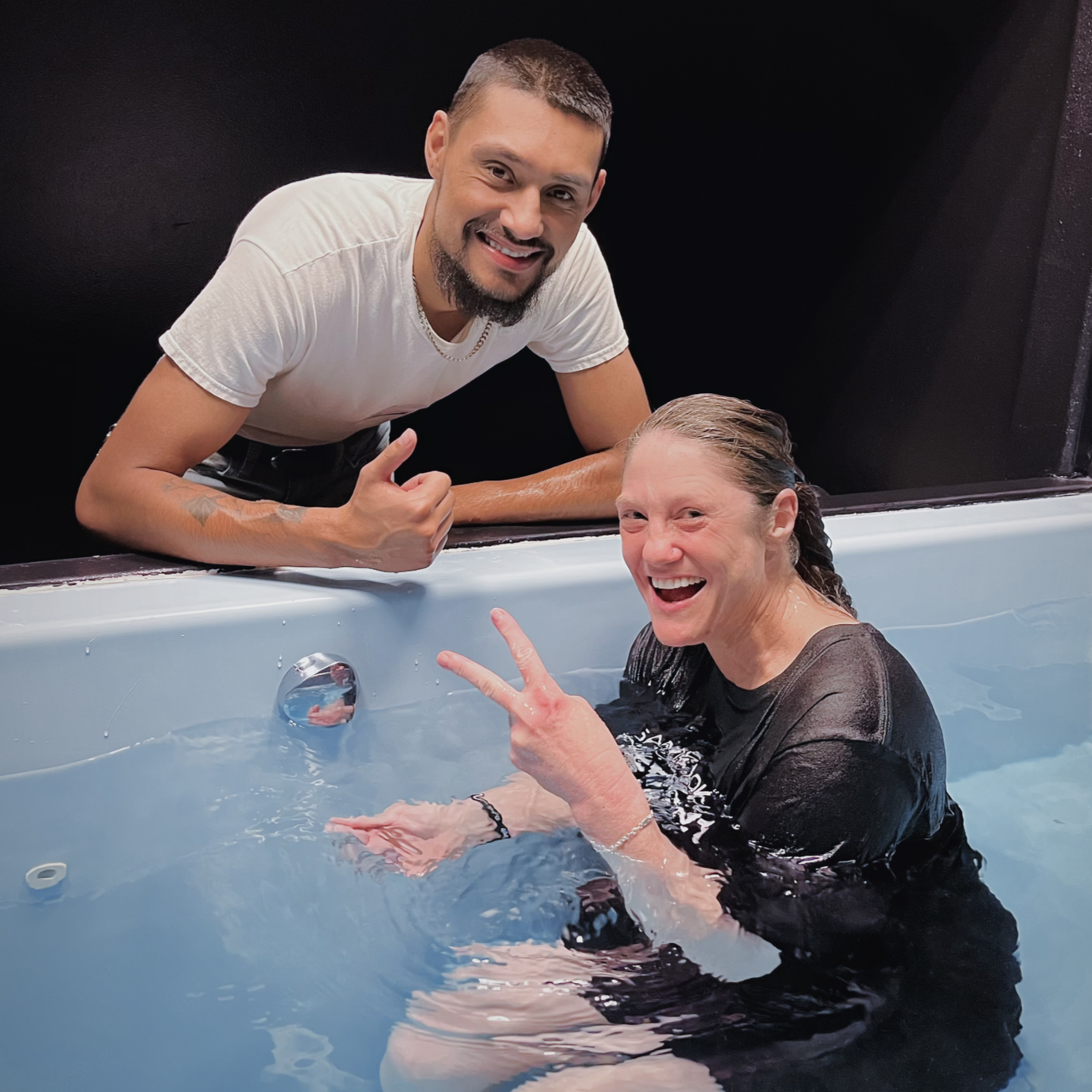

The Steelbridge Men’s and Women’s Residential Program is a year-long, faith-based recovery program designed to support individuals as they pursue healing, restoration, and lasting transformation in every area of life.
Through a structured three-phase model, residents engage in intensive recovery, spiritual growth, and personal development within a safe and supportive community. The program is built to address the whole person — mind, body, and spirit — while preparing individuals for long-term independence and reintegration.
The Steelbridge program consists of a year of faith-based intensive recovery and growth across all areas of life. Residents progress through four structured phases focused on sobriety, stability, accountability, and independence.
The program includes:
Foundational Biblical studies
Life skills development
Celebrate Recovery
Individual mental health counseling
Group therapy
Program OverviewFaith-based classes are designed to support spiritual growth while equipping residents with tools to face life’s challenges. Bible study and Psalm-focused sessions encourage deeper faith and reflection.
In addition, residents participate in Intensive Outpatient Recovery Programming, which includes 9 hours of structured group therapy each week. These sessions help individuals develop healthy coping strategies, strengthen emotional resilience, and promote long-term personal growth.
Who the Program Is For
The Steelbridge Men’s and Women’s Residential Program serves individuals who are experiencing:
Homelessness
Addiction and substance use disorders
Trauma and emotional hardship
Reentry following incarceration
Poverty and housing instability
The program is open to men and women of all backgrounds.
Intake Process
Individuals interested in entering the program must complete the following steps:
Schedule an intake interview
Complete an application
Participate in an in-person or scheduled interview
Based on individual needs and current status, applicants will either be admitted to detox services or placed directly into the residential program.
What We Offer
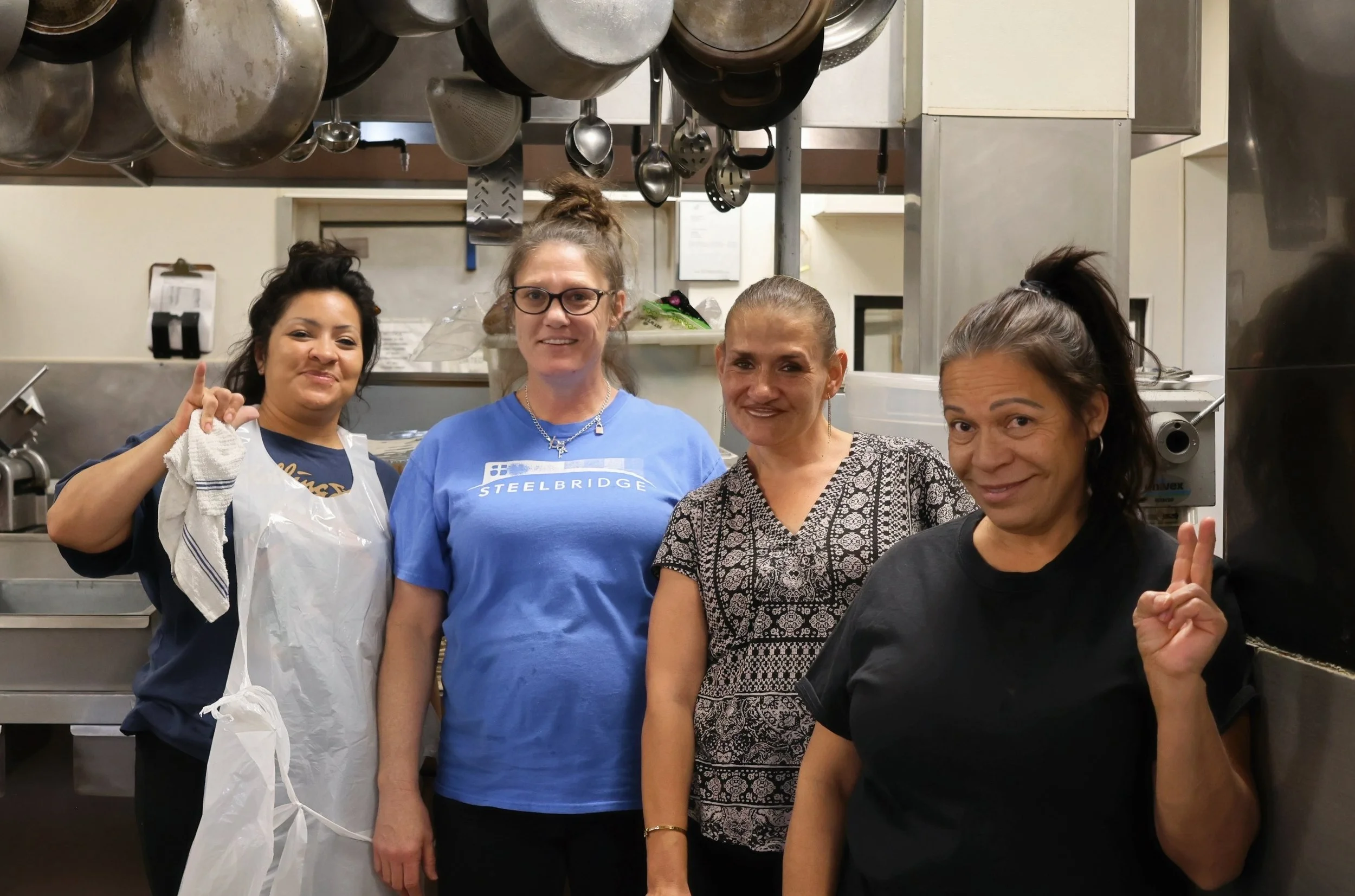
Residents in the Steelbridge program receive comprehensive support, including:
Safe and structured housing
Nutritious daily meals
Addiction recovery support
Individual and group counseling
Life skills and job readiness training
Spiritual development and discipleship
Reentry preparation, including assistance with:
Identification documents
Housing planning
Employment readiness
Daily Life in the Program
Life at Steelbridge is structured to promote accountability, stability, and growth.
Daily expectations include:
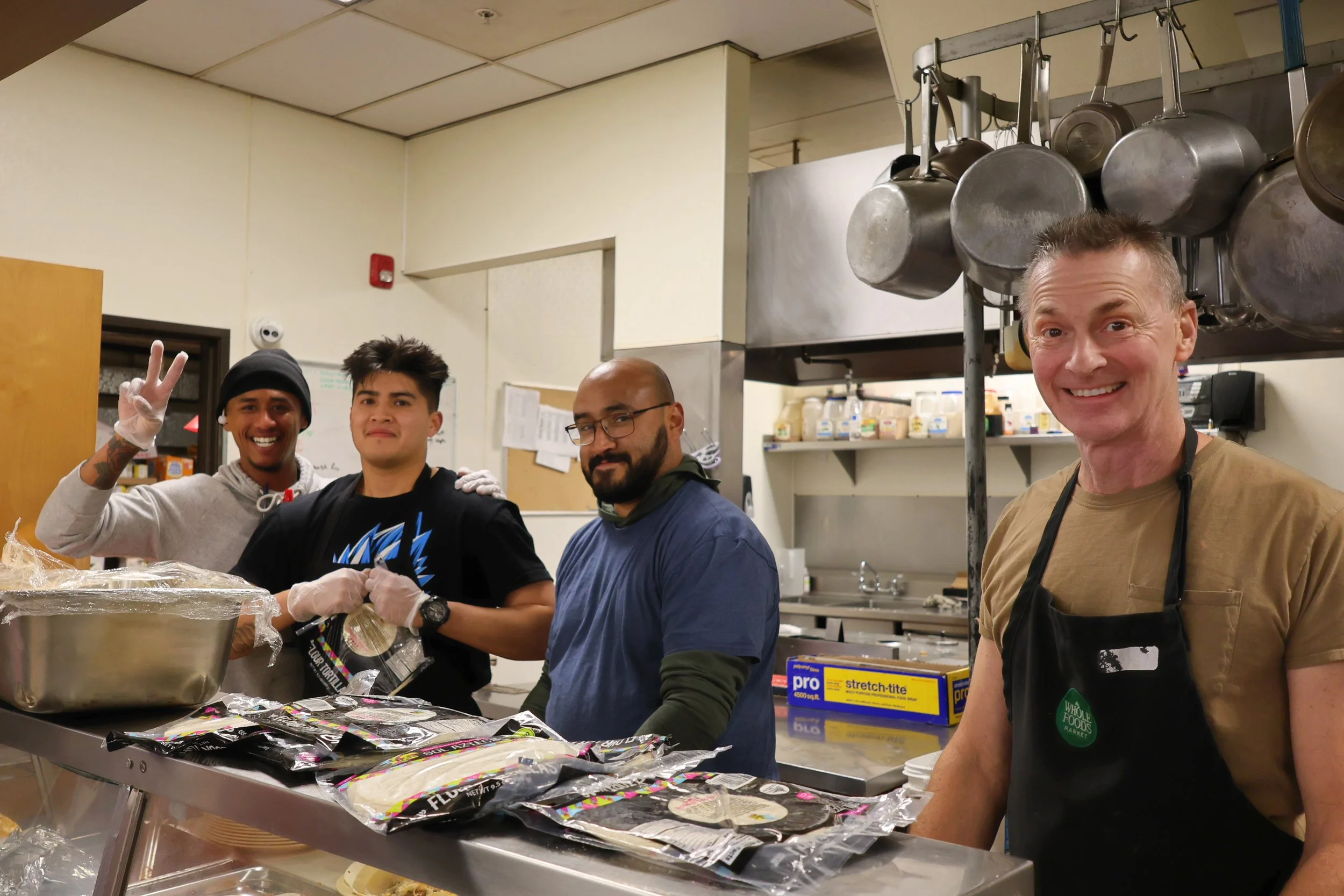
Completion of assigned chores (daily except for the Sabbath on Sunday)
Attendance at all required classes (Monday–Saturday)
Participation in individual and group counseling
Maintaining respectful behavior toward oneself and others
Counseling and classes are mandatory and considered essential components of the recovery process. Sundays are observed as the Sabbath and set aside for rest and spiritual reflection..
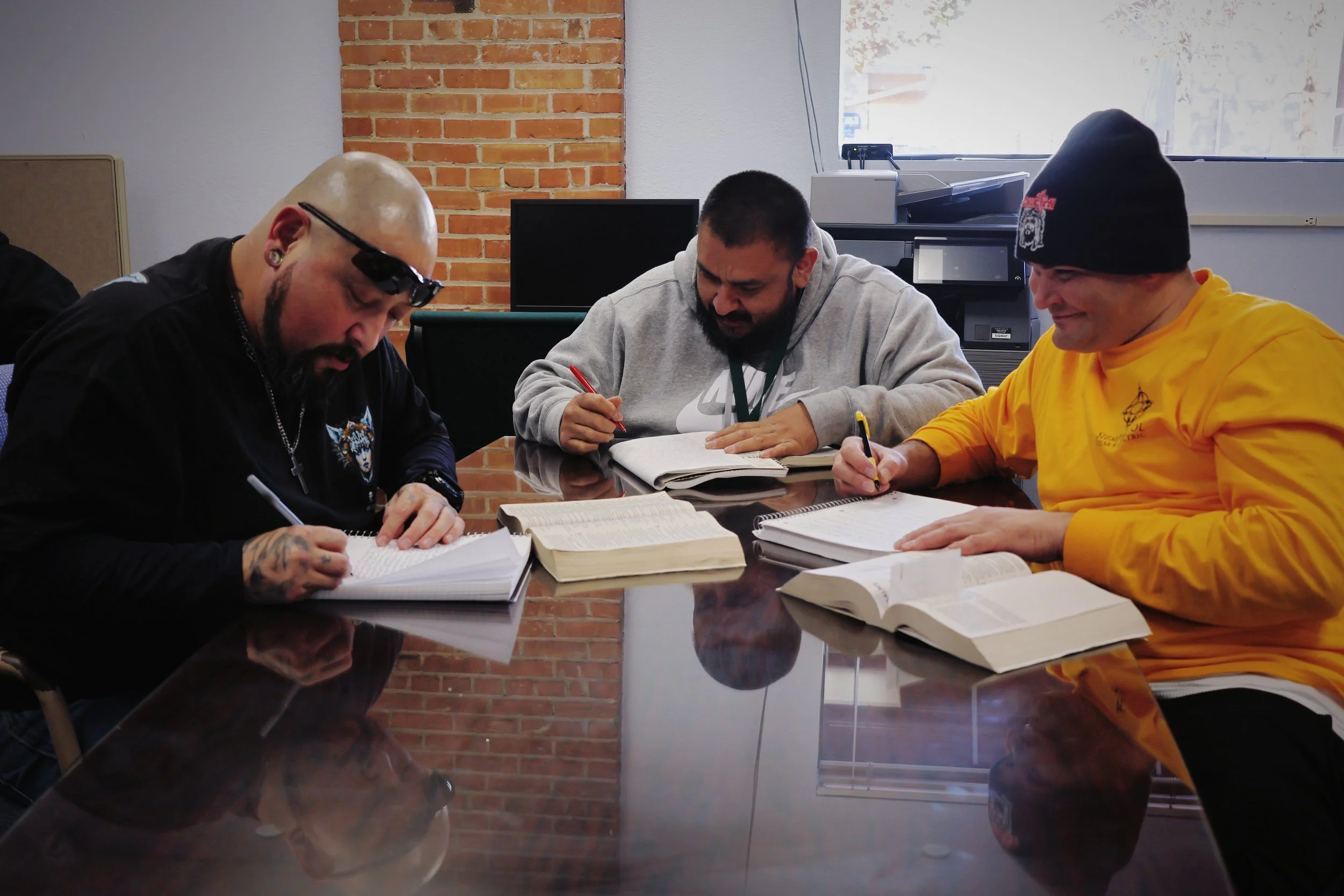
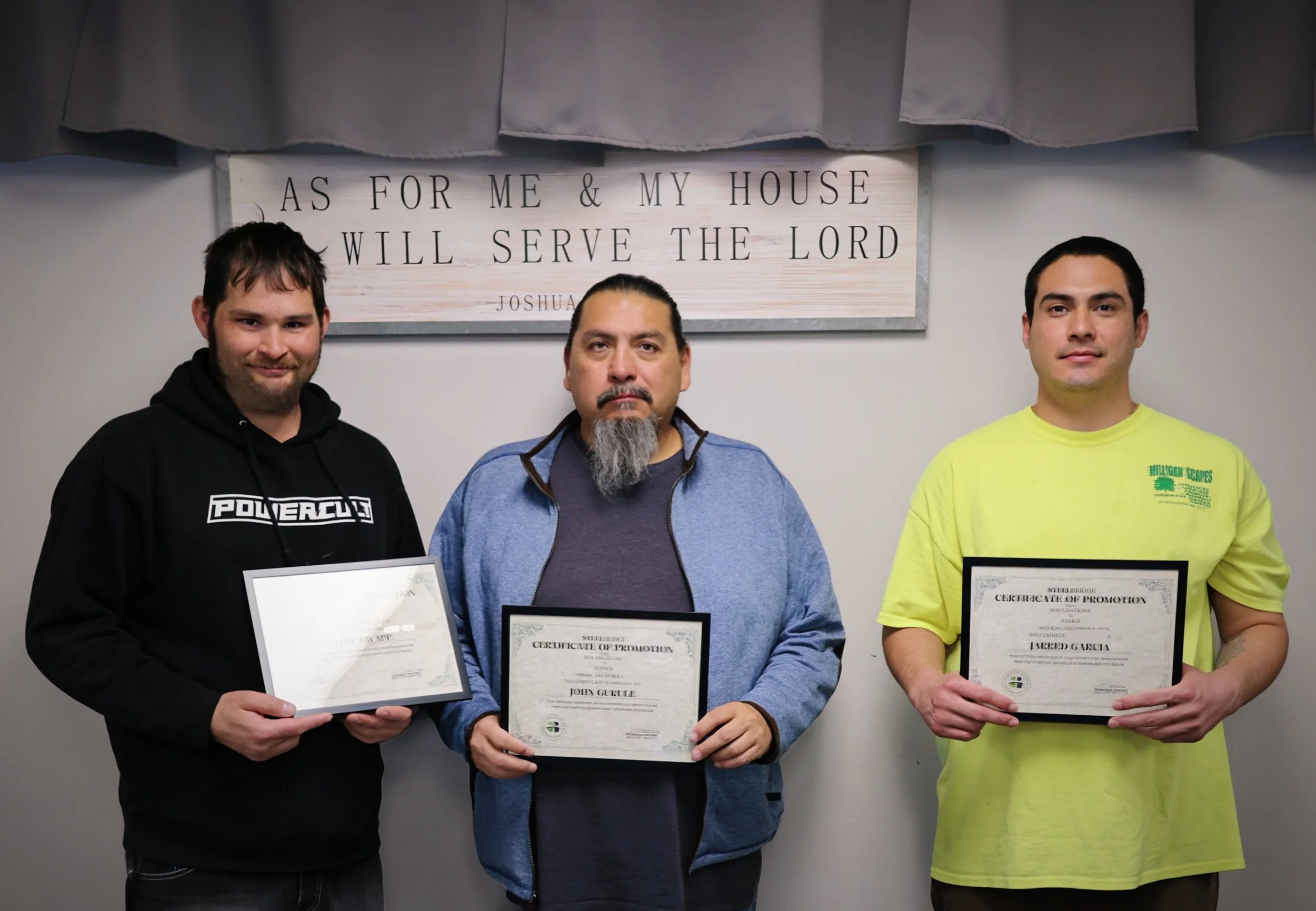
Program Length & Phases
The Steelbridge Residential Program is divided into three core phases, each with specific goals and milestones.
Phase One: Foundations
The Foundations phase focuses on stabilizing sobriety and establishing spiritual grounding.
During this phase, residents:
Focus on maintaining sobriety
Learn foundational Biblical principles
Begin developing healthy routines
Outside contact is limited during the first 30 days, with the exception of personal mail, which may be sent and received after two weeks.
Limited phone calls are permitted after the first 30 days.
Phase Two: Basics
The Basics phase lasts a minimum of 120 days and emphasizes responsibility, structure, and planning for the future.
During this phase, residents:
Meet regularly with case workers to determine next steps
May explore educational opportunities
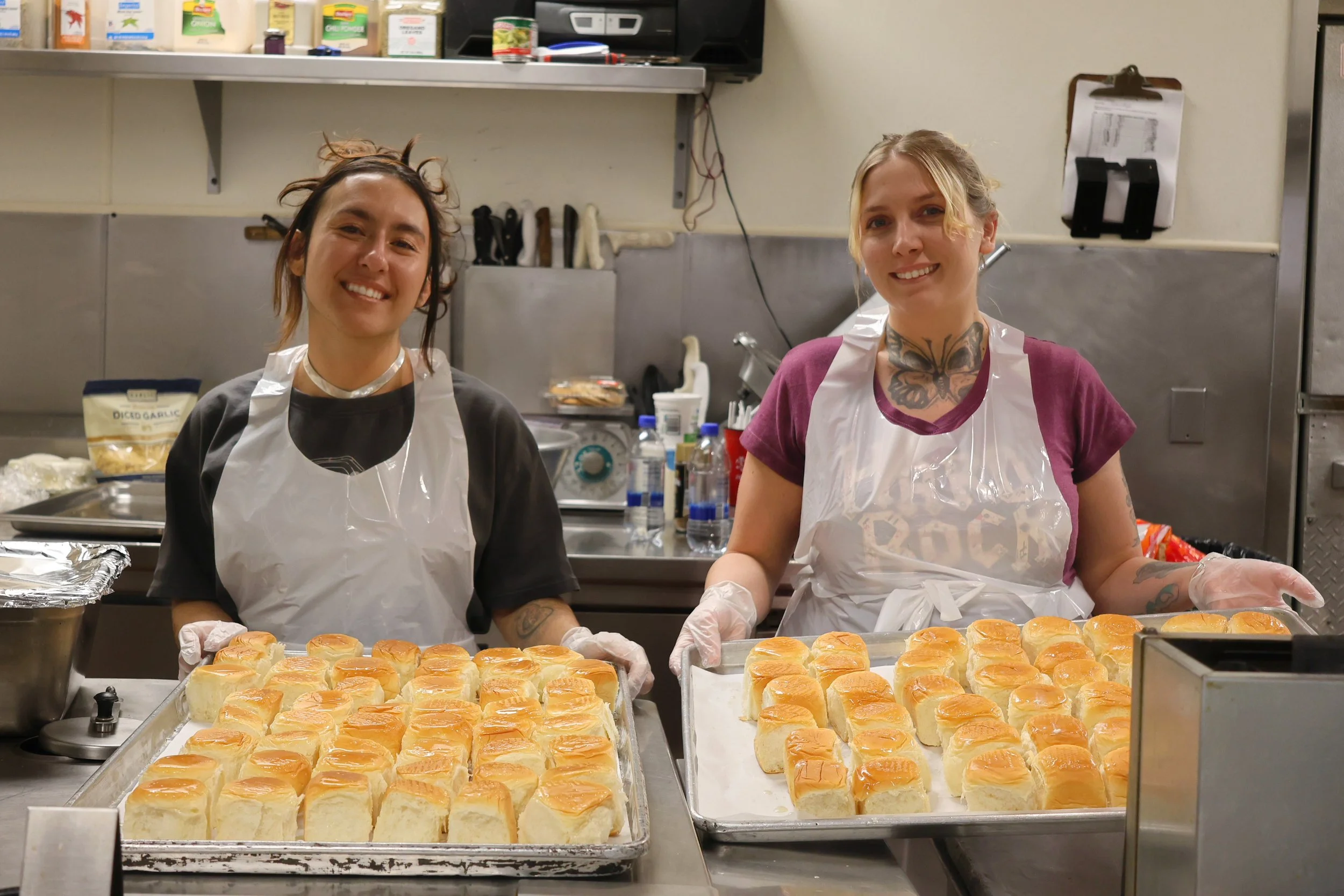
Are assigned duties within the ministry
Must continue attending all required classes when not working
Family visits may be permitted during this phase based on individual progress.
Phase Three: Discipleship
The Discipleship phase focuses on independence, reintegration, and long-term sustainability.
During this phase, residents:
Learn to balance work, responsibilities, and faith
May seek employment during allotted hours
May obtain a personal cell phone at the six-month mark
May meet with immediate family one weekend per month, provided the relationship is healthy
This phase is centered on building independence while maintaining a strong relationship with Christ, preparing residents for life beyond the program.
The ultimate goal is full independence and successful reintegration upon program completion.
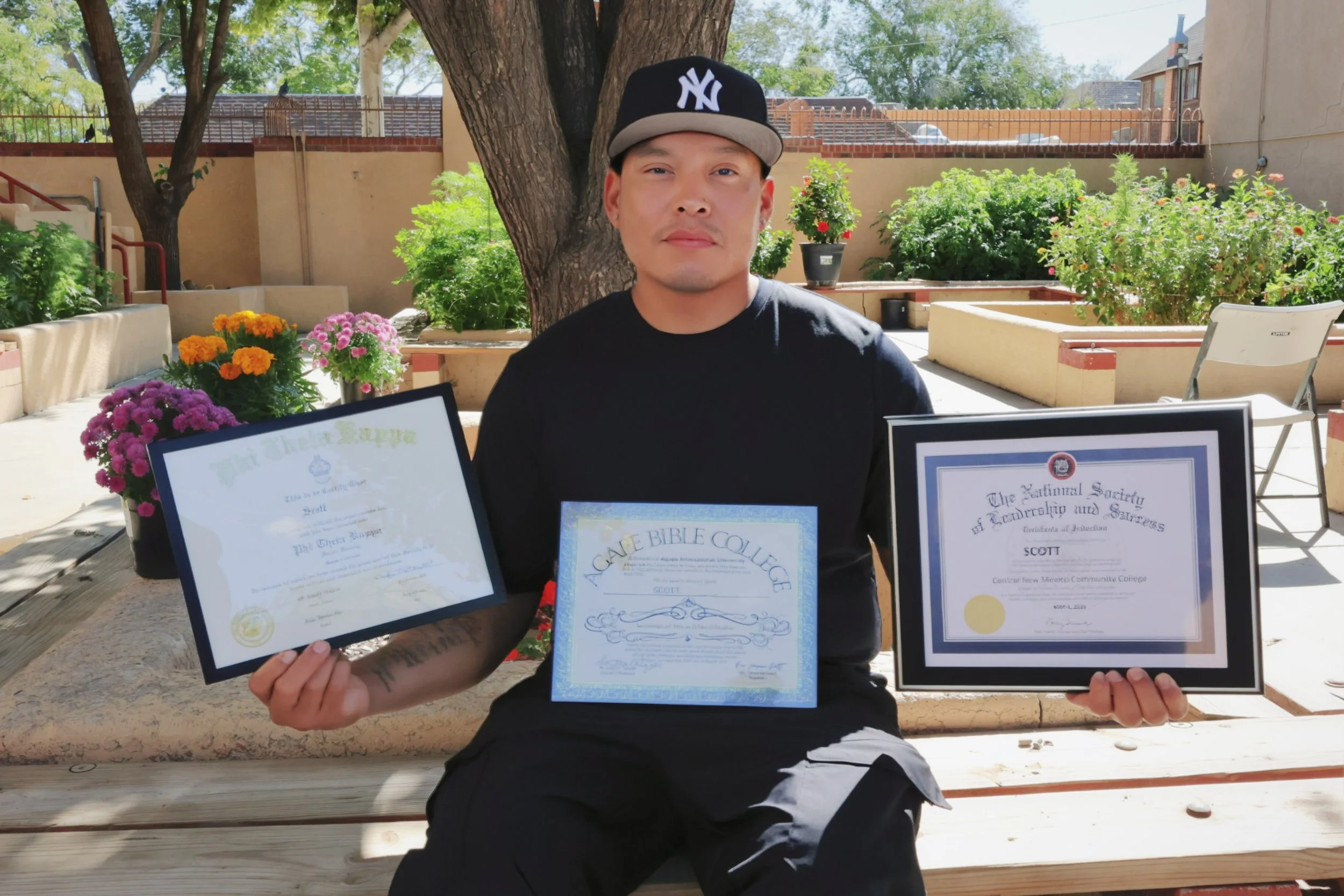
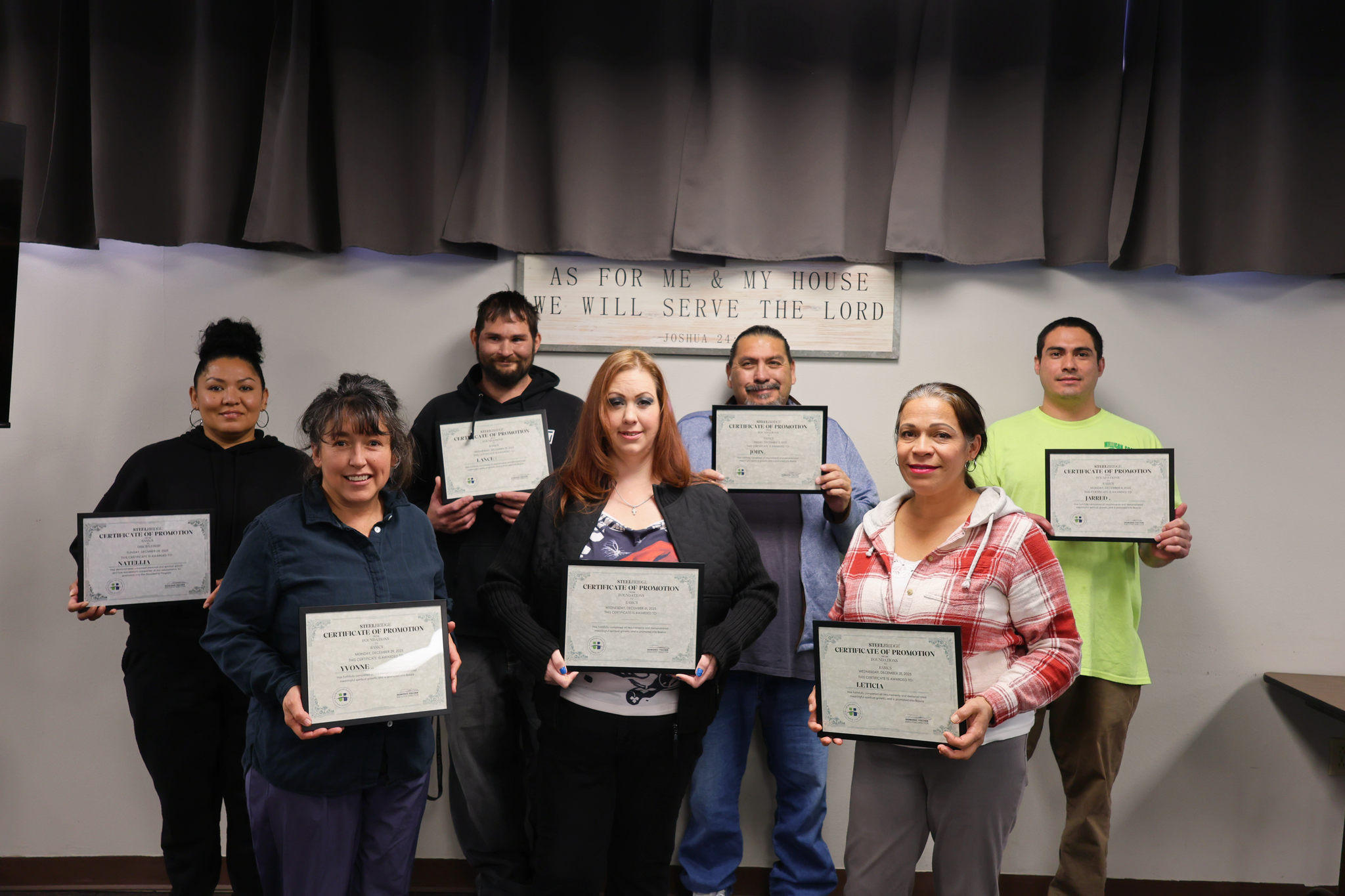
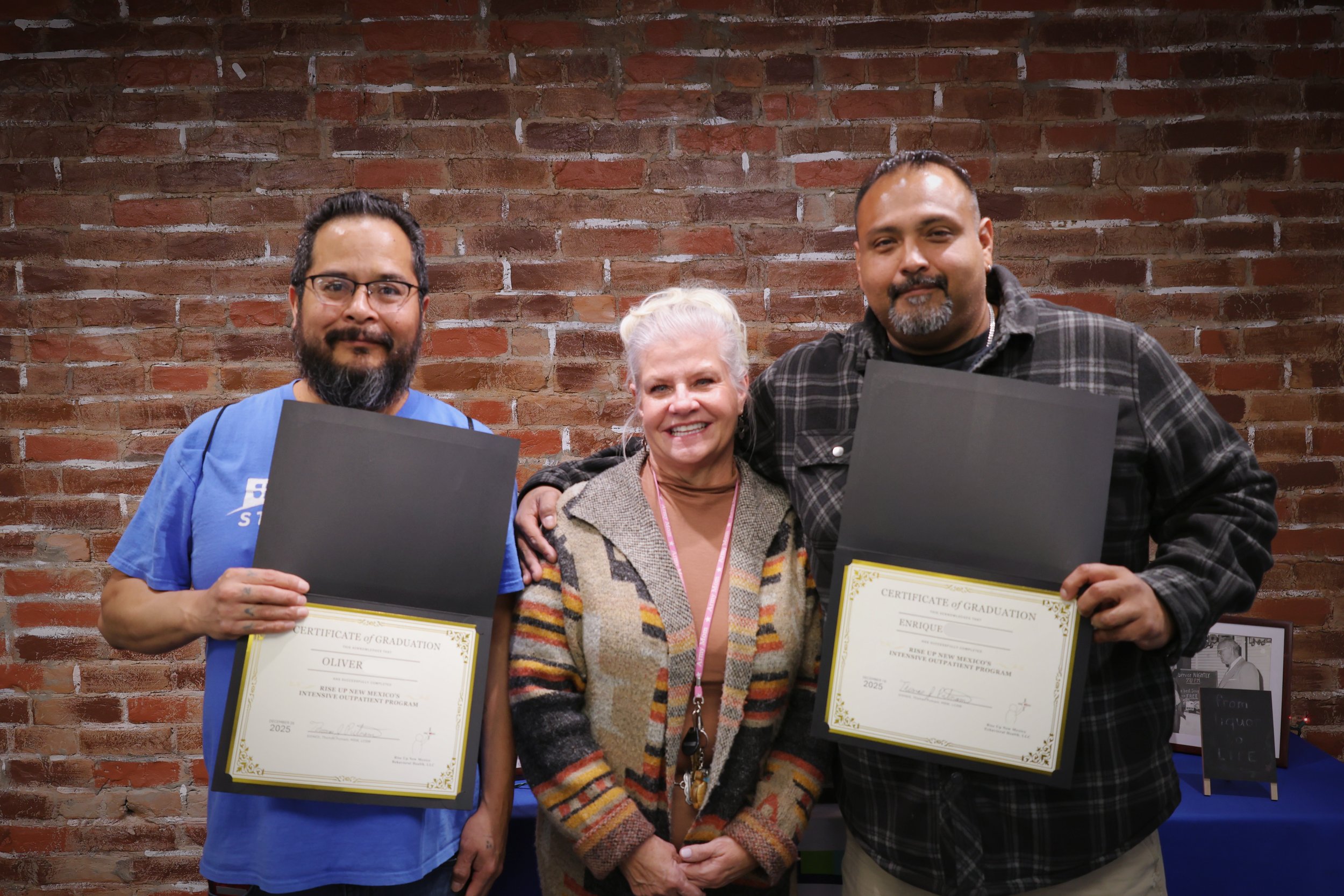
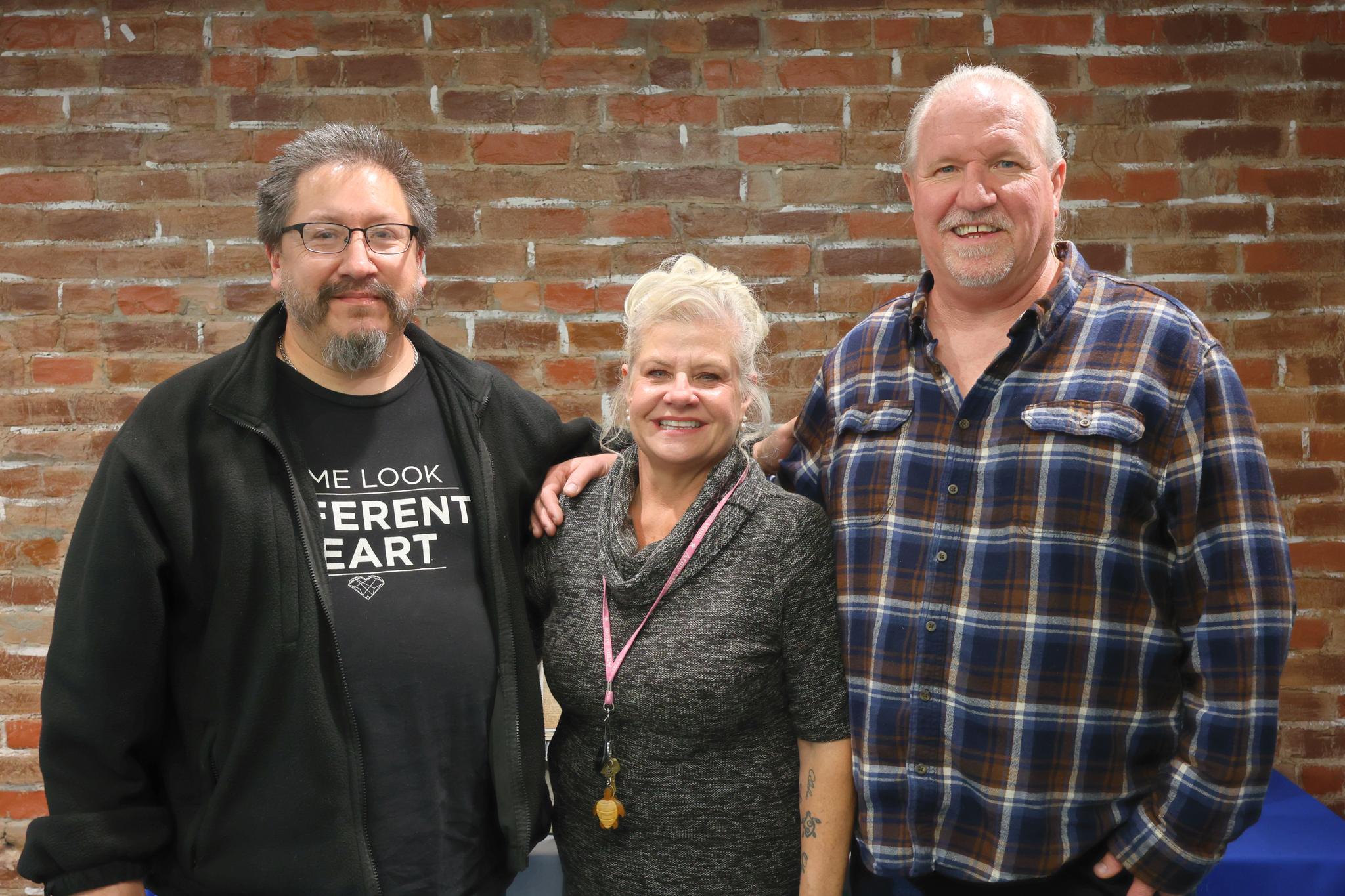
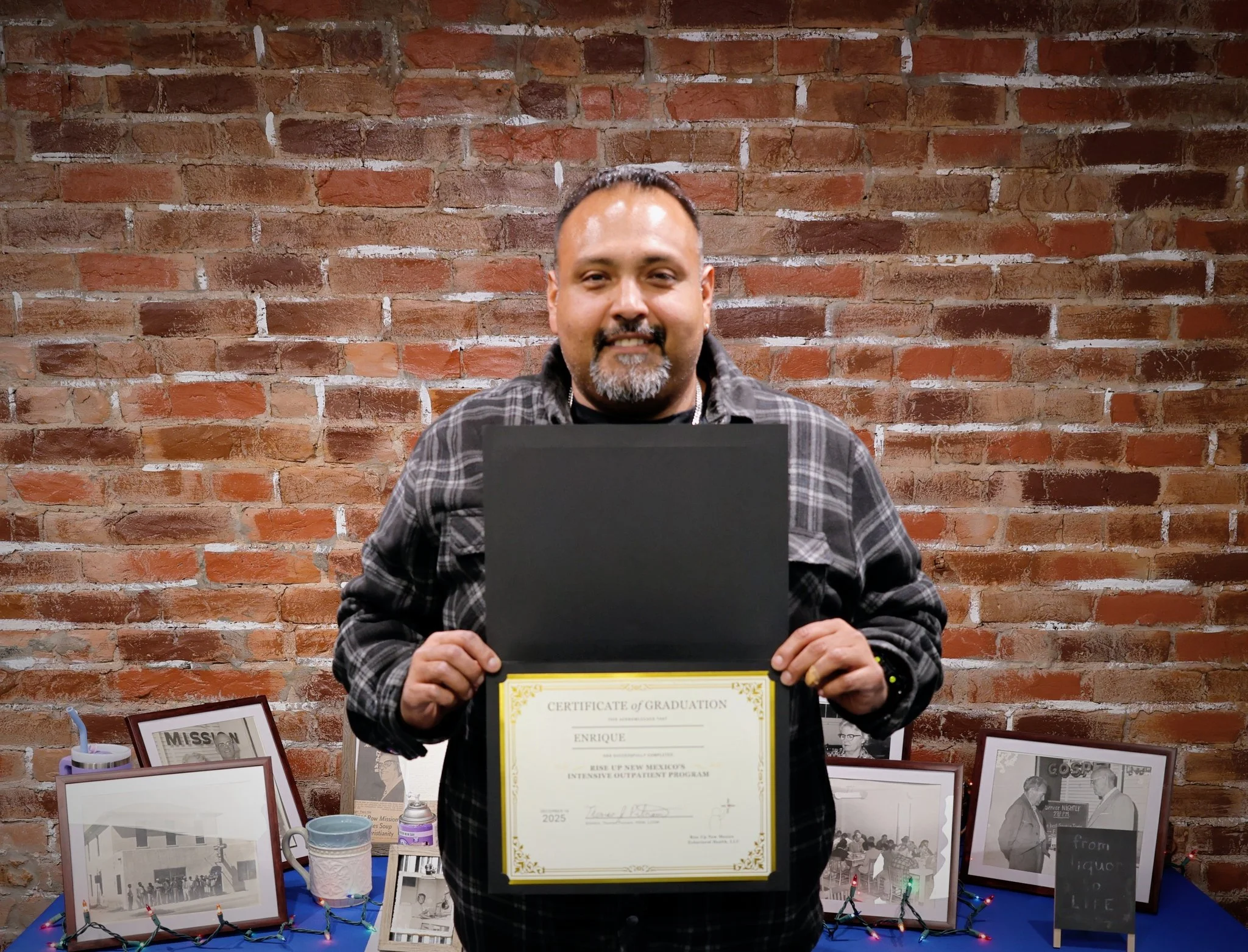
2024 PROGRAM GRADUATE
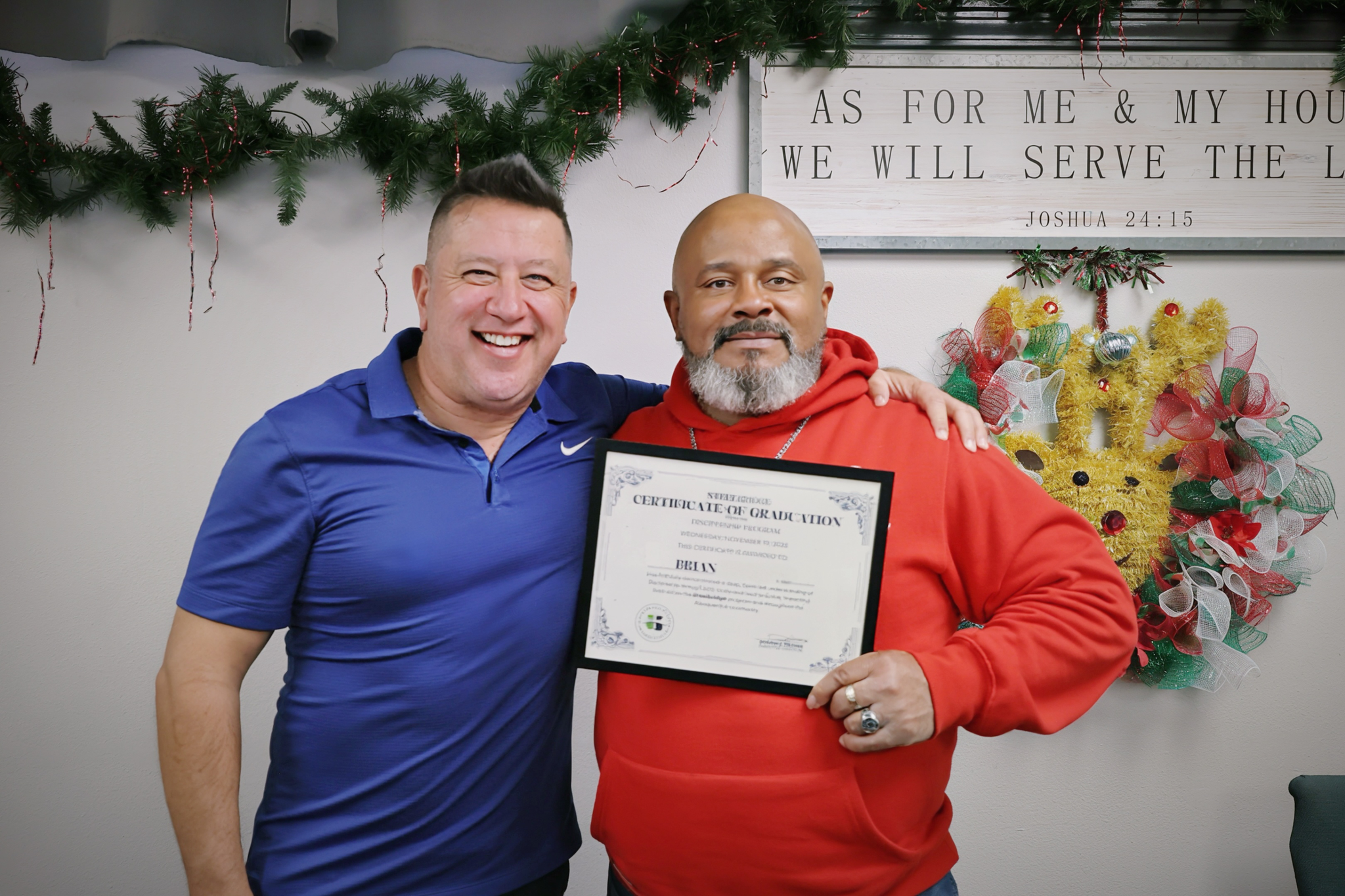
2025 PROGRAM GRADUATE
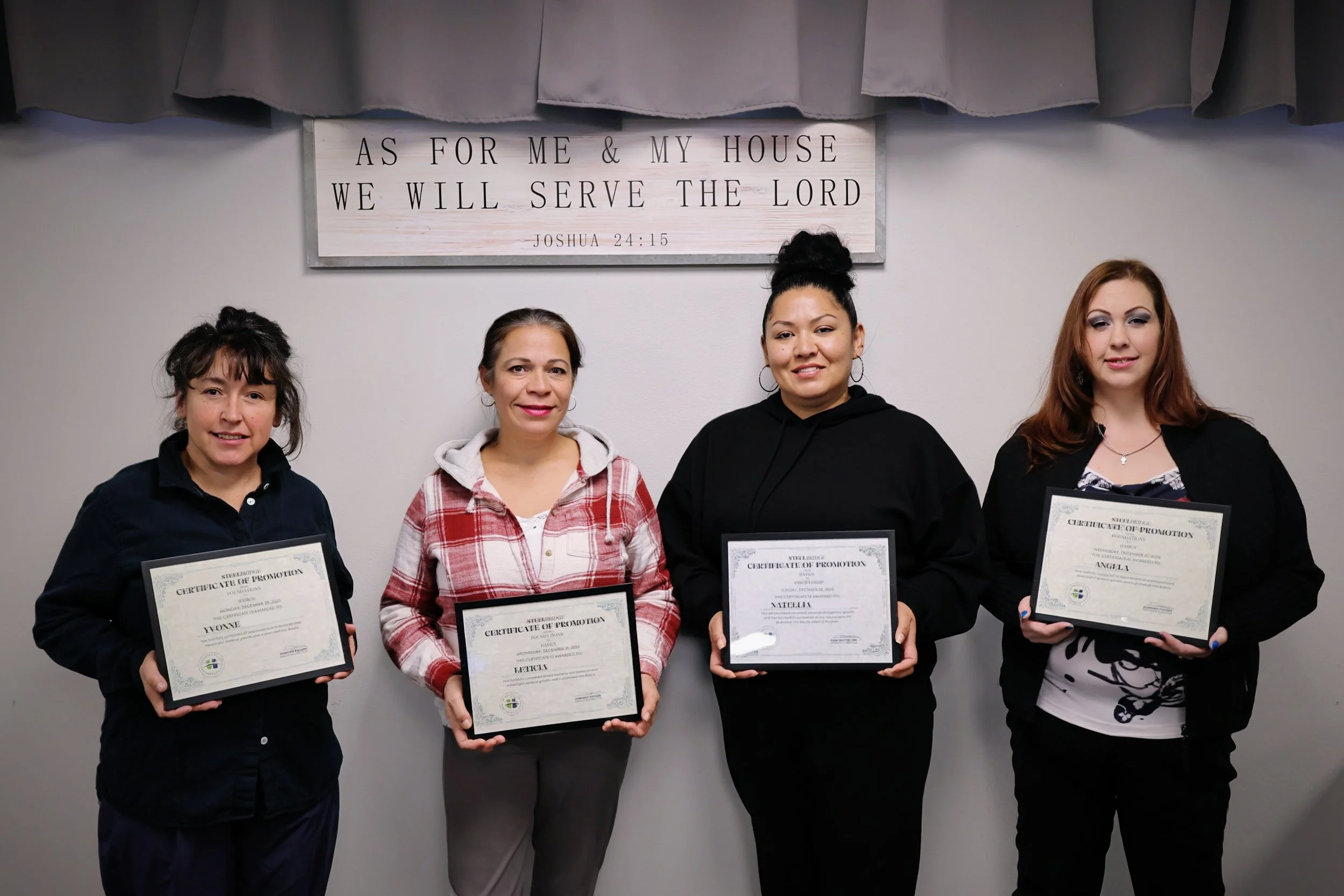
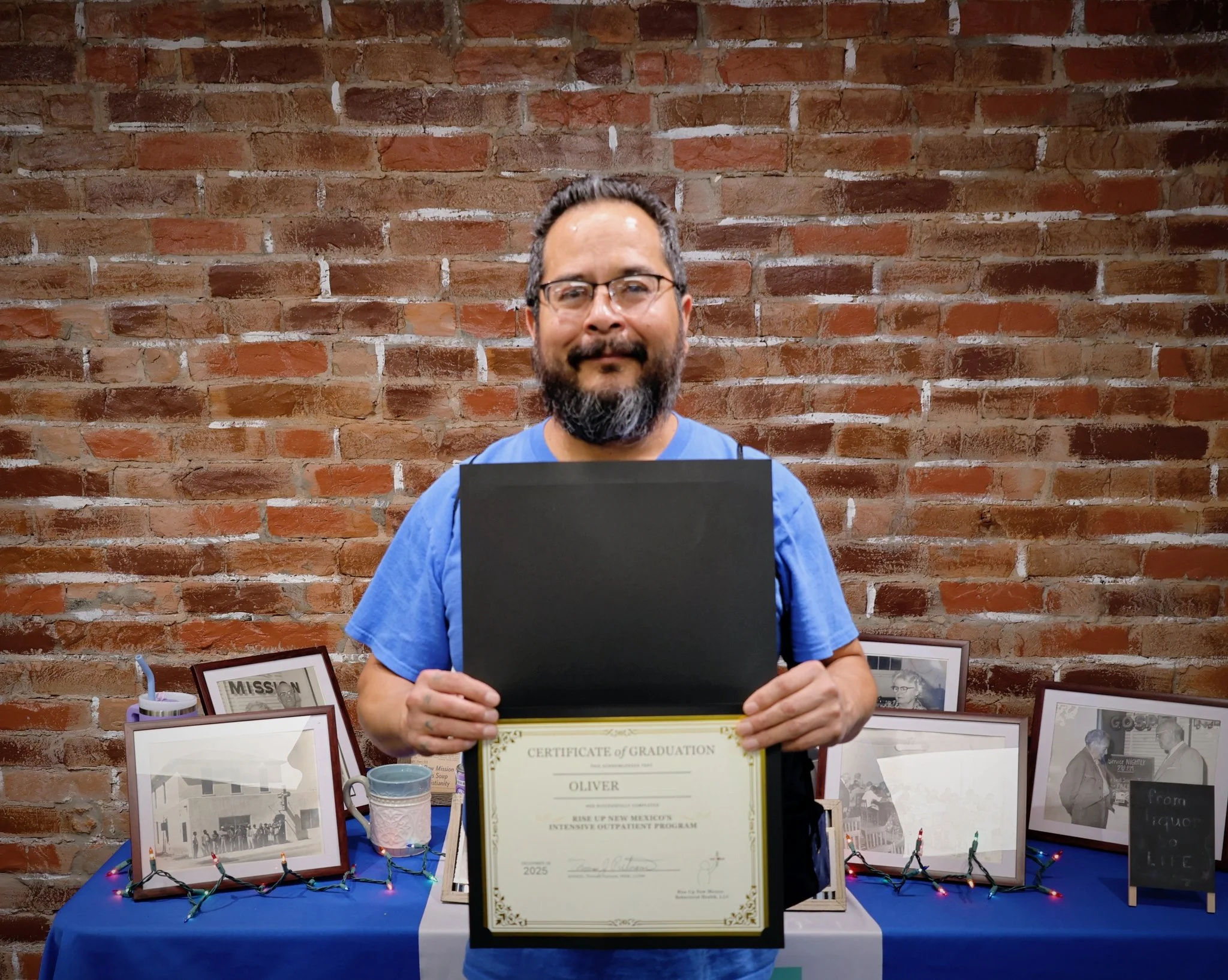
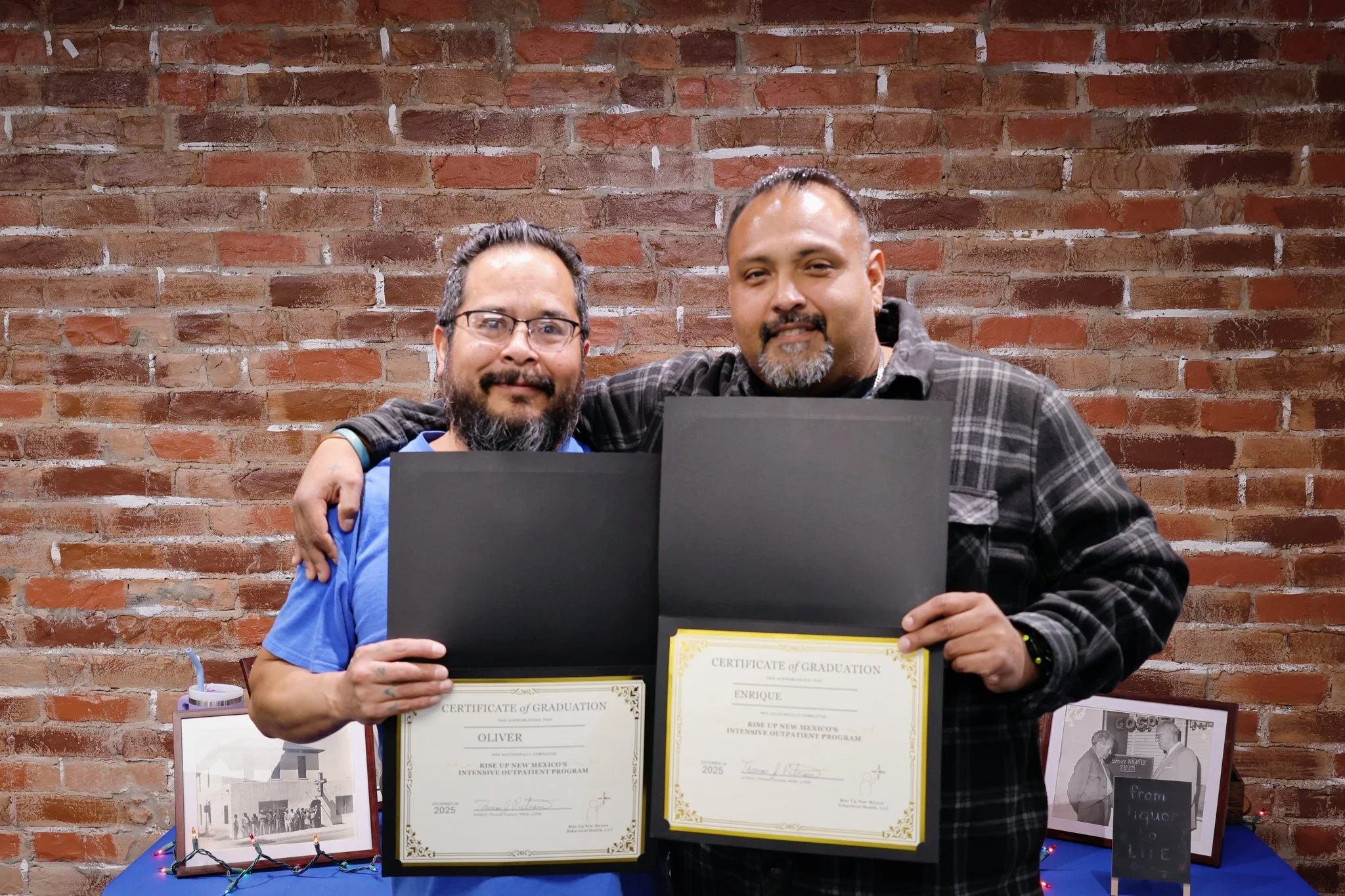
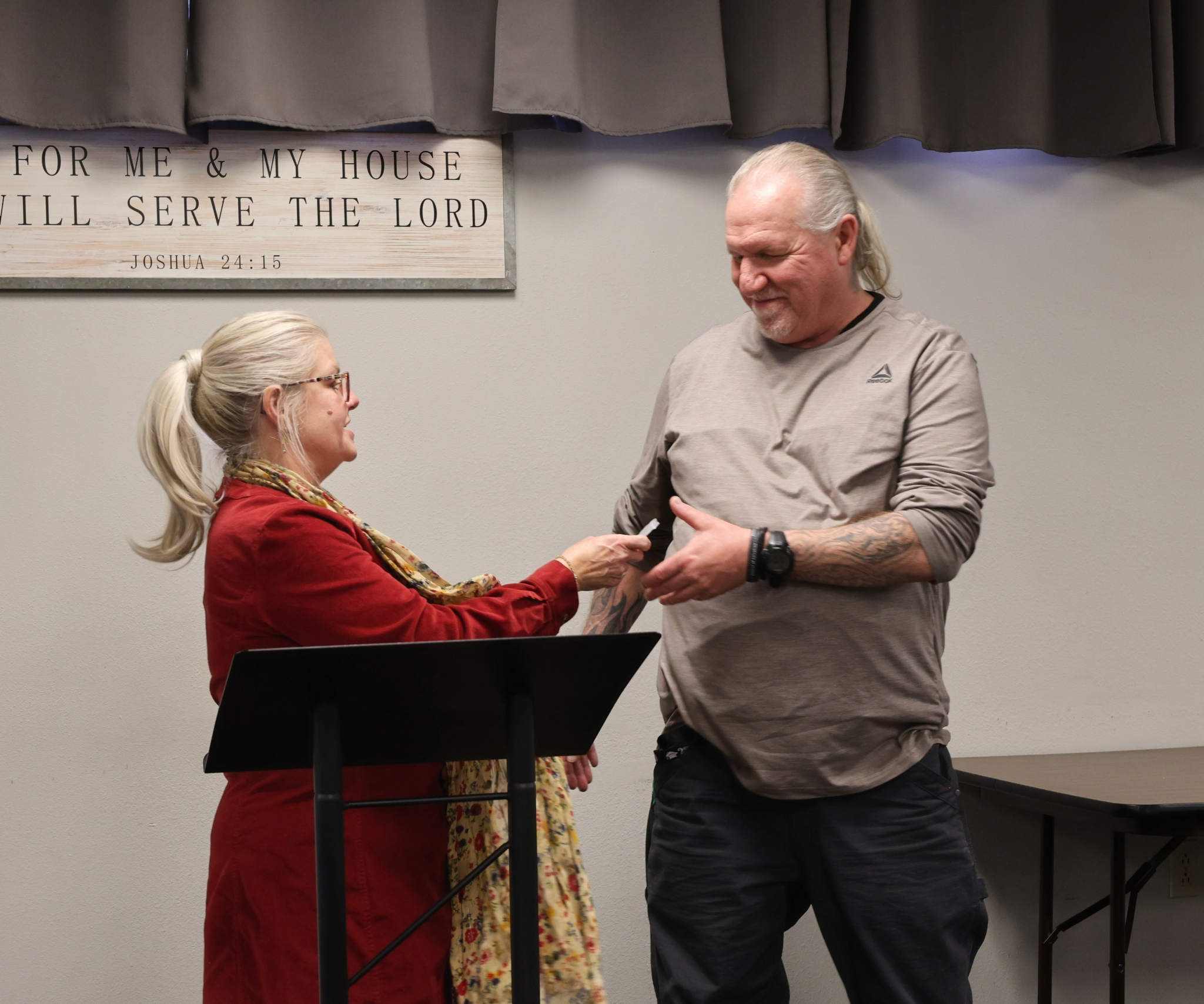
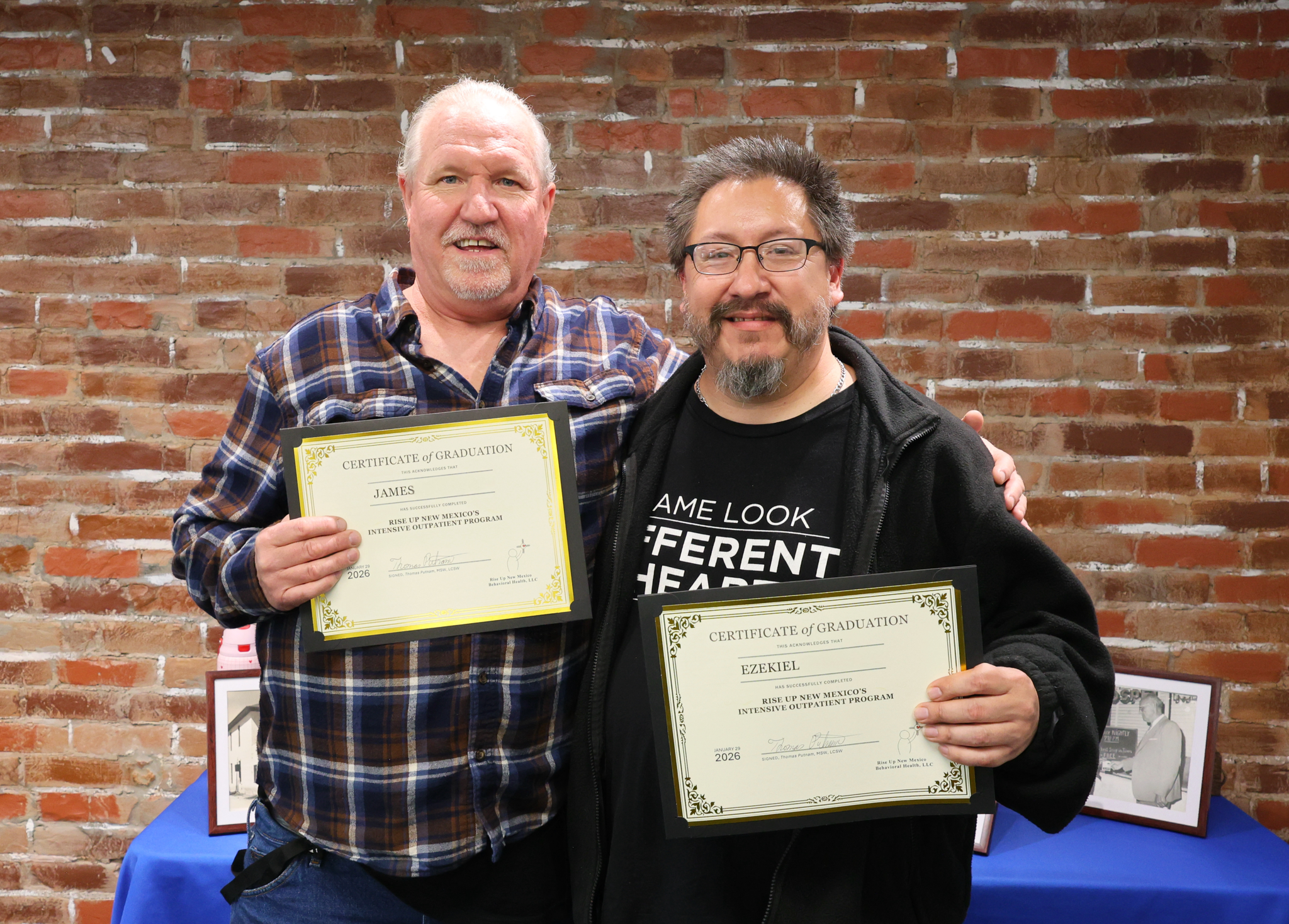
Congratulations to our recent IOP Resident Graduates
FAQs
Can I bring my children?
No. Children are not permitted in the program. There is no separate housing available, and the program is centered around sobriety, reentry, probation requirements, and mental health recovery.
What should I bring?
Residents should bring personal documentation and personal belongings that can fit inside a footlocker.
Is there a fee for the program?
No. There is no cost at any point during the program.
What if I leave early?
Can I work while in the program?
Participants may leave the program at any time. However, if they choose to return, they must restart the intake process and begin the program from the initial phase.
Employment is permitted only after completing the first two phases and entering the Discipleship phase. During the Basics phase, residents will be assigned ministry duties.